Skincare products and treatments can only do so much when the foundation — genuine, consistent nutrition — isn't properly supporting skin health from within. Understanding how diet genuinely affects skin, beyond vague wellness claims, helps build an approach that actually complements your topical routine rather than working against it.
This article covers four areas essential to nutrition for healthy skin: the key nutrients genuinely linked to skin health, why hydration matters more than most people realise, the genuine connection between gut health and skin, and foods worth limiting for clearer, healthier skin.
Key Nutrients Genuinely Linked to Skin Health
Certain nutrients carry genuinely strong evidence for supporting skin health, and understanding which ones deserve real attention helps direct dietary choices more effectively than vague "eat healthy" advice alone.
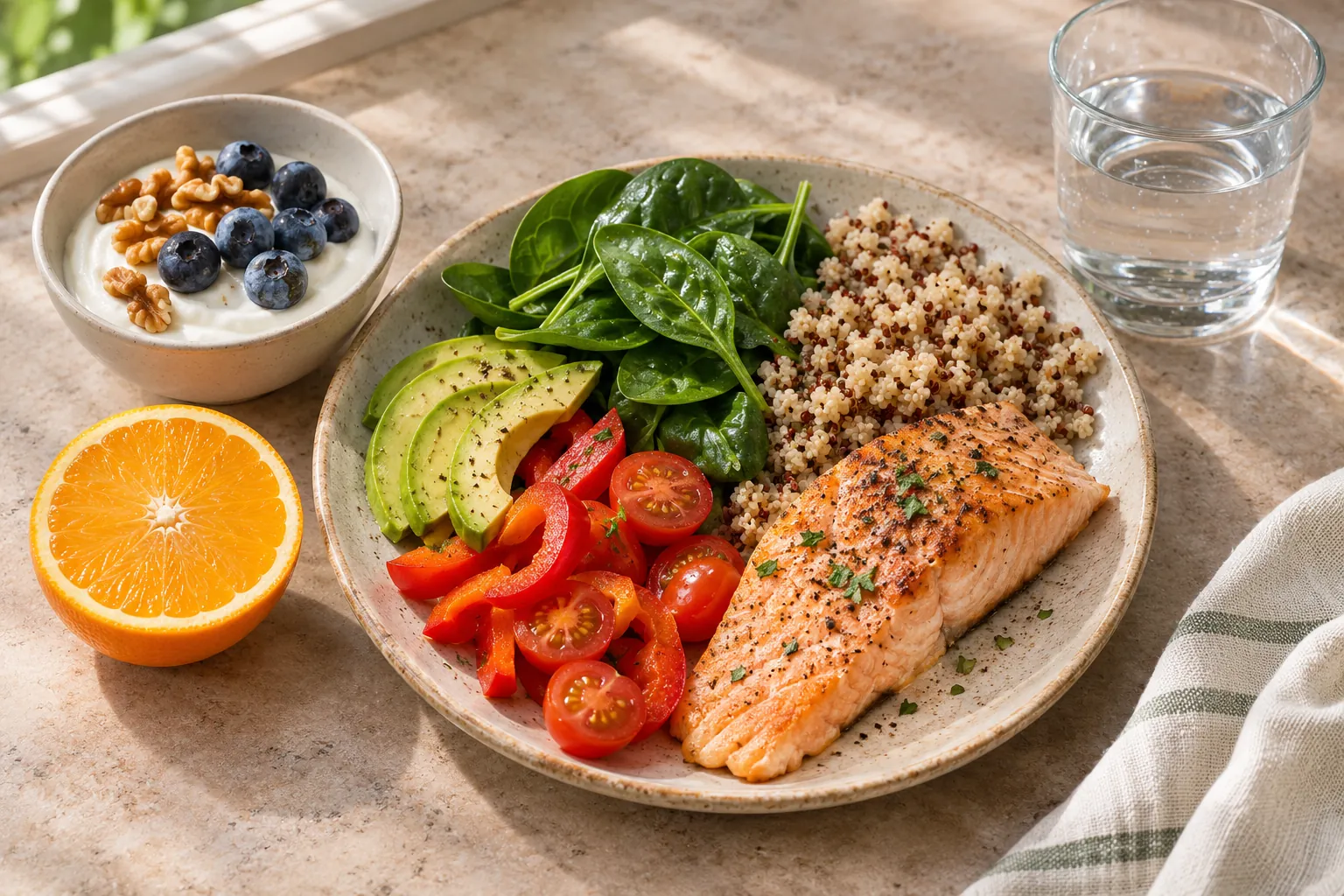
Omega-3 fatty acids, found in oily fish, walnuts, and flaxseed, genuinely support the skin's natural barrier function, helping maintain hydration and reduce inflammation that can otherwise contribute to breakouts and irritation. Vitamin C plays a genuine, well-evidenced role in collagen production, making foods like citrus fruits, peppers, and leafy greens valuable additions for skin that's genuinely trying to maintain firmness and elasticity over time.
Zinc similarly deserves attention, with genuine evidence supporting its role in skin healing and inflammation regulation, making it particularly relevant for anyone dealing with acne-prone or slow-healing skin specifically.
Why Hydration Matters More Than Most Realise
Proper hydration genuinely affects skin's appearance and function, though understanding what "proper" hydration actually means matters more than simply chasing an arbitrary daily water target without genuine context.
Adequately hydrated skin generally appears plumper and more resilient, while chronic mild dehydration can contribute to skin looking genuinely duller and more prone to fine lines appearing more pronounced than they might otherwise. Individual hydration needs vary considerably based on activity level, climate, and overall diet, meaning a single universal water target matters less than genuinely paying attention to your own body's signals and adjusting accordingly.
Hydration from food sources — water-rich fruits and vegetables specifically — also contributes meaningfully, meaning genuine hydration isn't purely about how much water you drink in isolation from everything else you're eating.
The Genuine Gut-Skin Connection
Growing research has identified a genuine, meaningful connection between gut health and skin condition, moving this from a fringe wellness claim into an area with increasingly credible scientific backing.
An imbalanced gut microbiome has been genuinely linked to increased inflammation that can manifest in skin conditions including acne and eczema, suggesting that supporting gut health through diet may offer genuine benefit for skin that topical treatment alone can't fully address. Fermented foods, adequate fibre intake, and a genuinely varied diet all support a healthier gut microbiome, offering a sensible, evidence-informed approach rather than relying on any single "superfood" or supplement to address gut-related skin concerns alone.
This connection reinforces why skin health genuinely can't be fully addressed through topical products alone, however excellent, without also considering what's happening internally.
Foods Worth Limiting for Clearer Skin
Certain dietary patterns carry genuine, evidence-supported links to worsened skin condition, and understanding these helps inform more balanced choices without requiring extreme, unsustainable restriction.
High-glycaemic foods — refined sugars and processed carbohydrates specifically — have shown genuine links to increased acne severity in some research, likely through their effect on insulin and inflammation pathways within the body. Dairy has shown mixed but genuinely notable associations with acne for some individuals specifically, though this connection varies considerably between people, making it worth genuine personal observation rather than assuming a universal effect applies equally to everyone.
Moderation, rather than complete elimination, tends to represent the more sustainable, evidence-appropriate approach for most people, avoiding the kind of restrictive eating that can create its own genuine problems beyond skin health alone.
Supporting healthy skin through nutrition comes down to understanding which nutrients genuinely matter, maintaining proper hydration, respecting the real gut-skin connection, and moderating rather than eliminating foods linked to skin concerns. This internal approach works best alongside genuine attention to hair and nail health beyond the surface, since the same nutritional principles apply well beyond skin alone, and understanding how body contouring and non-surgical treatments fit into a broader approach to wellbeing offers useful additional context for anyone thinking holistically about their overall health.