Home skincare routines can only achieve so much, and for many genuine skin concerns, professional in-clinic treatments offer results that topical products alone simply can't replicate. Understanding what these treatments actually involve, and which might genuinely suit your specific concerns, helps you make informed decisions rather than choosing based on trends alone.
This article covers four areas essential to understanding in-clinic skincare treatments: chemical peels and what they genuinely achieve, microneedling's role in skin renewal, how LED therapy actually works, and choosing the right treatment for your specific goals.
Chemical Peels and What They Genuinely Achieve
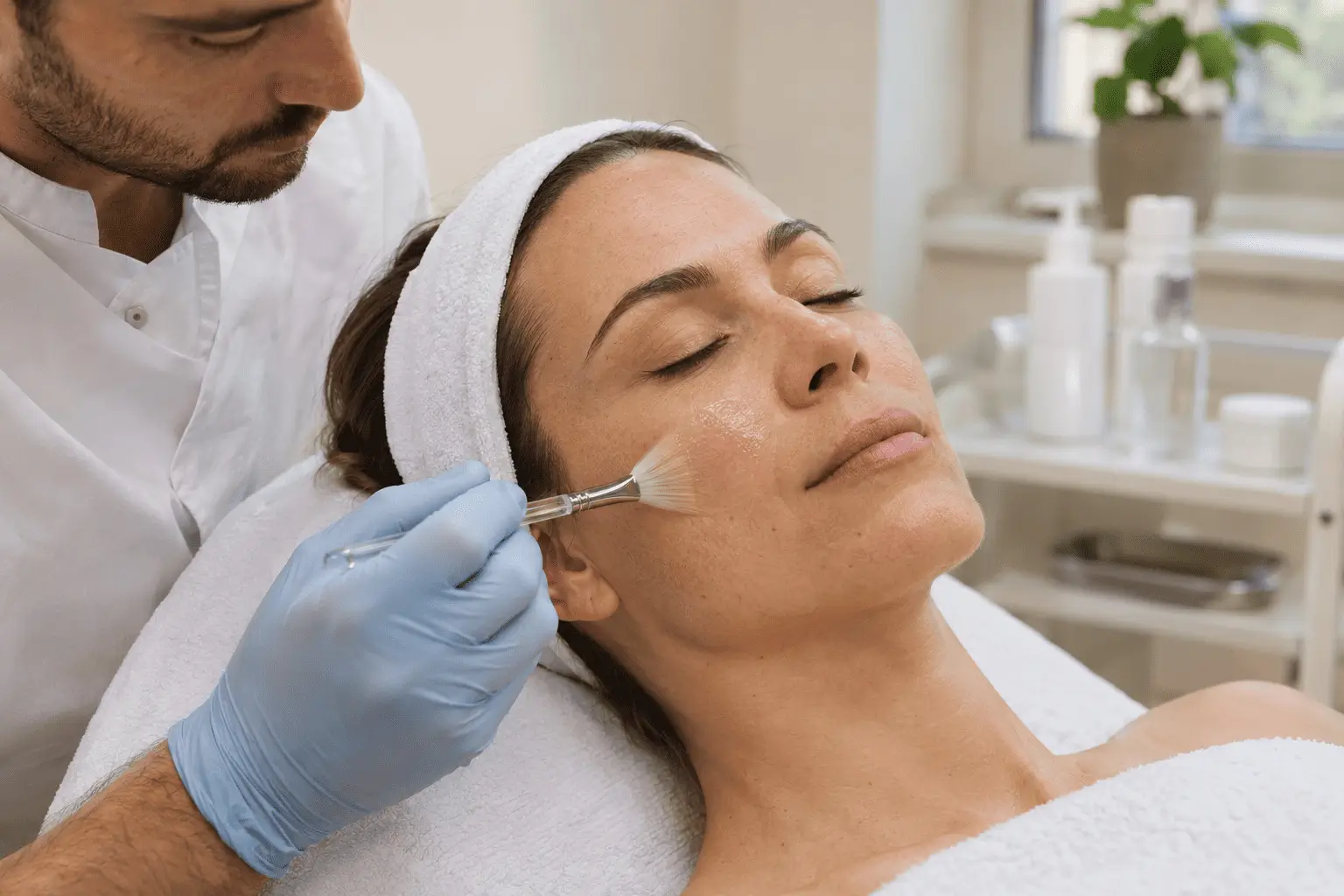
Chemical peels use controlled exfoliation to remove damaged outer layers of skin, encouraging genuine renewal and revealing fresher skin beneath, though understanding the different depth categories matters considerably for setting realistic expectations.
Superficial peels offer gentle, genuine improvement to texture and tone with minimal downtime, making them a sensible entry point for those new to professional treatments. Medium and deep peels can address more significant concerns — pronounced sun damage, deeper lines, or more stubborn pigmentation — but require proper recovery time and should only ever be performed by genuinely qualified practitioners, given the increased risk involved with these stronger formulations.
Understanding your own skin's genuine tolerance and being honest with your practitioner about previous reactions helps ensure the peel strength chosen actually suits your skin, rather than assuming stronger automatically means better results.
Microneedling's Role in Skin Renewal
Microneedling uses fine, sterile needles to create controlled micro-injuries in the skin, triggering the body's genuine natural healing response and stimulating collagen production in the process.
This treatment has built a genuinely strong reputation for improving texture, fine lines, and the appearance of scarring, particularly when performed as part of a proper course of treatments rather than a single session. Results build gradually over subsequent weeks as genuine collagen production continues, meaning patience matters considerably more with this treatment than with options offering more immediate, visible change.
Combining microneedling with topical serums applied during treatment has become increasingly common, though understanding which specific serums genuinely benefit from this delivery method, versus which offer no meaningful additional benefit, is worth discussing directly with a qualified practitioner.
How LED Therapy Actually Works
LED light therapy uses specific wavelengths of light to target different genuine skin concerns, and understanding this mechanism helps set appropriate expectations for what's a genuinely gentle, low-downtime treatment option.
Red light is generally associated with genuine collagen stimulation and overall skin rejuvenation, while blue light has demonstrated real benefit for managing acne-causing bacteria, making the specific wavelength used genuinely relevant to what a treatment is actually trying to achieve. LED therapy works cumulatively, meaning genuine results typically require a proper course of regular sessions rather than a single treatment, and understanding this upfront helps avoid the disappointment of expecting dramatic change from one appointment alone.
This treatment's genuinely gentle nature makes it a sensible complement to other, more intensive treatments, supporting skin recovery and overall health without adding to downtime.
Choosing the Right Treatment for Your Goals
With multiple genuine treatment options available, understanding how to choose the right one for your specific skin concerns matters considerably more than simply selecting whatever's currently most popular or heavily marketed.
A proper consultation with a genuinely qualified practitioner should involve honest discussion of your specific concerns, skin history, and realistic expectations, rather than a one-size-fits-all recommendation applied regardless of individual circumstances. Understanding that some concerns respond better to a combination of treatments over time, rather than a single intervention, helps set realistic expectations for both timeline and genuine outcome.
Choosing in-clinic treatments wisely comes down to understanding what each option genuinely offers, being honest about your own skin's tolerance and needs, and working with a qualified practitioner rather than choosing based on trend alone. These treatments work well alongside a genuinely considered approach to how you present day to day, and it's worth reading our guide to makeup trends worth trying for advice on complementing freshly treated skin, as well as our look at hair and nail health beyond the surface for a fuller picture of professional treatments worth considering.